
March 9
The day started with disappointment and ended with amazement. It was yet another terrific day in NZ.
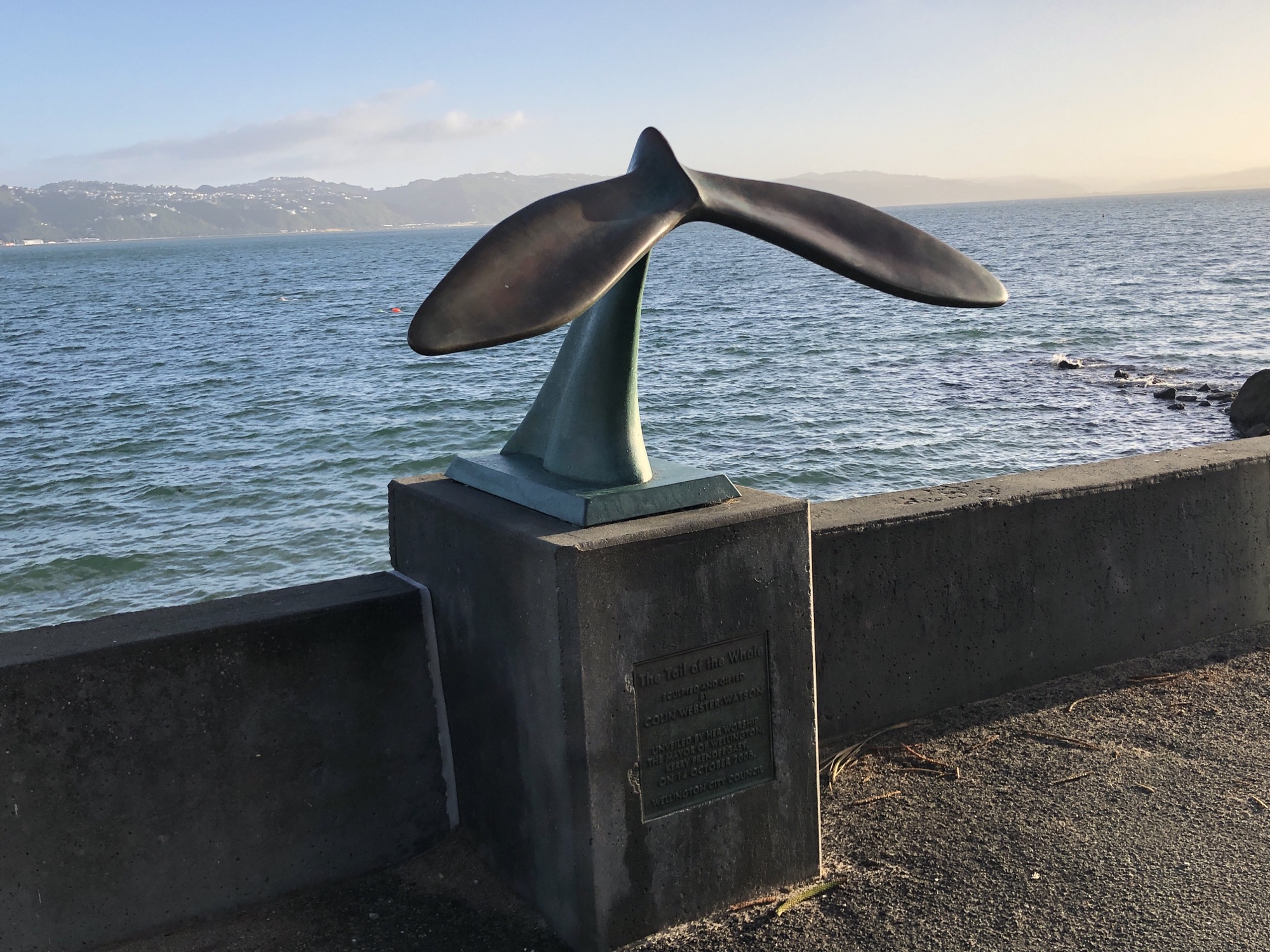
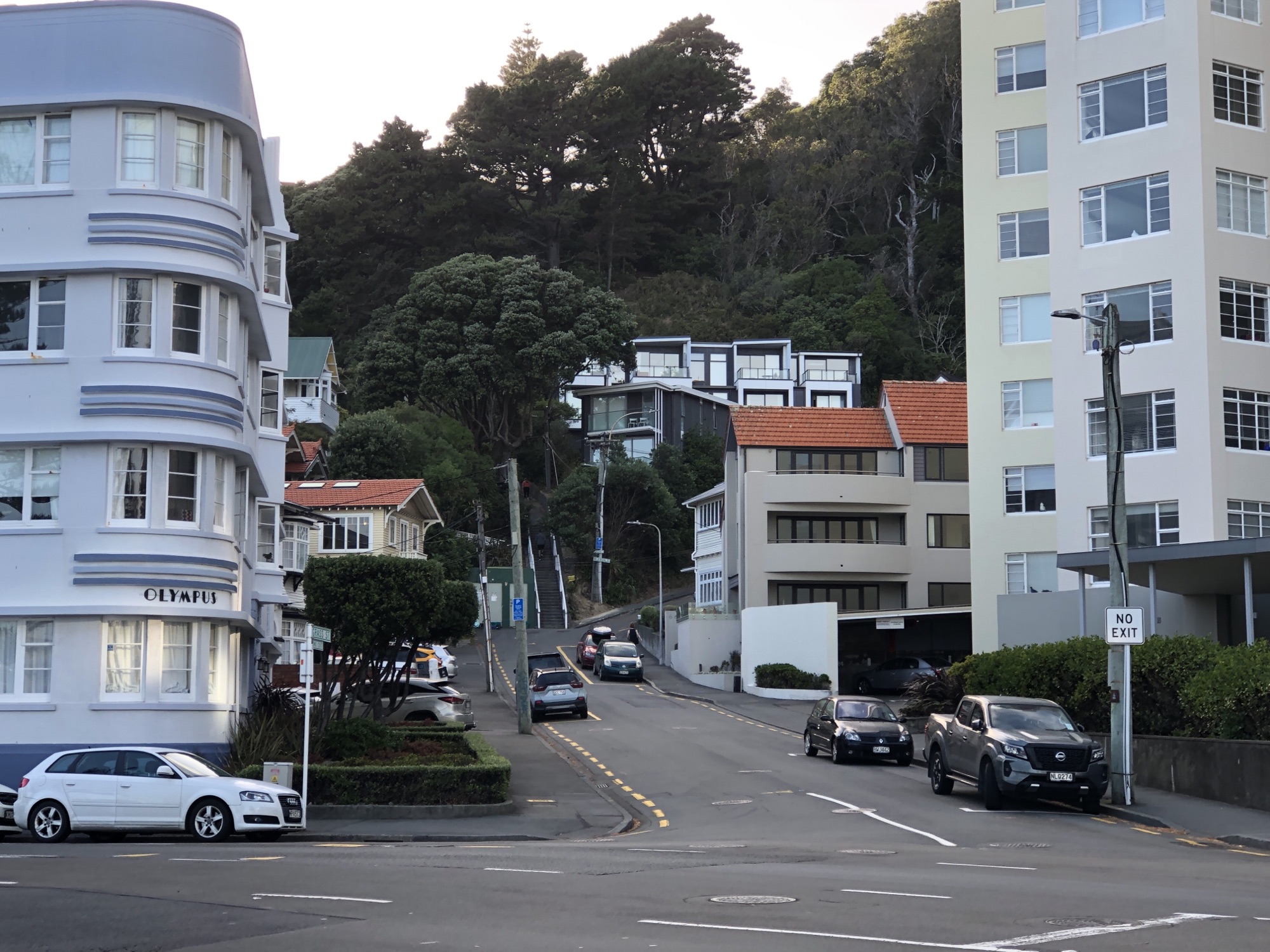
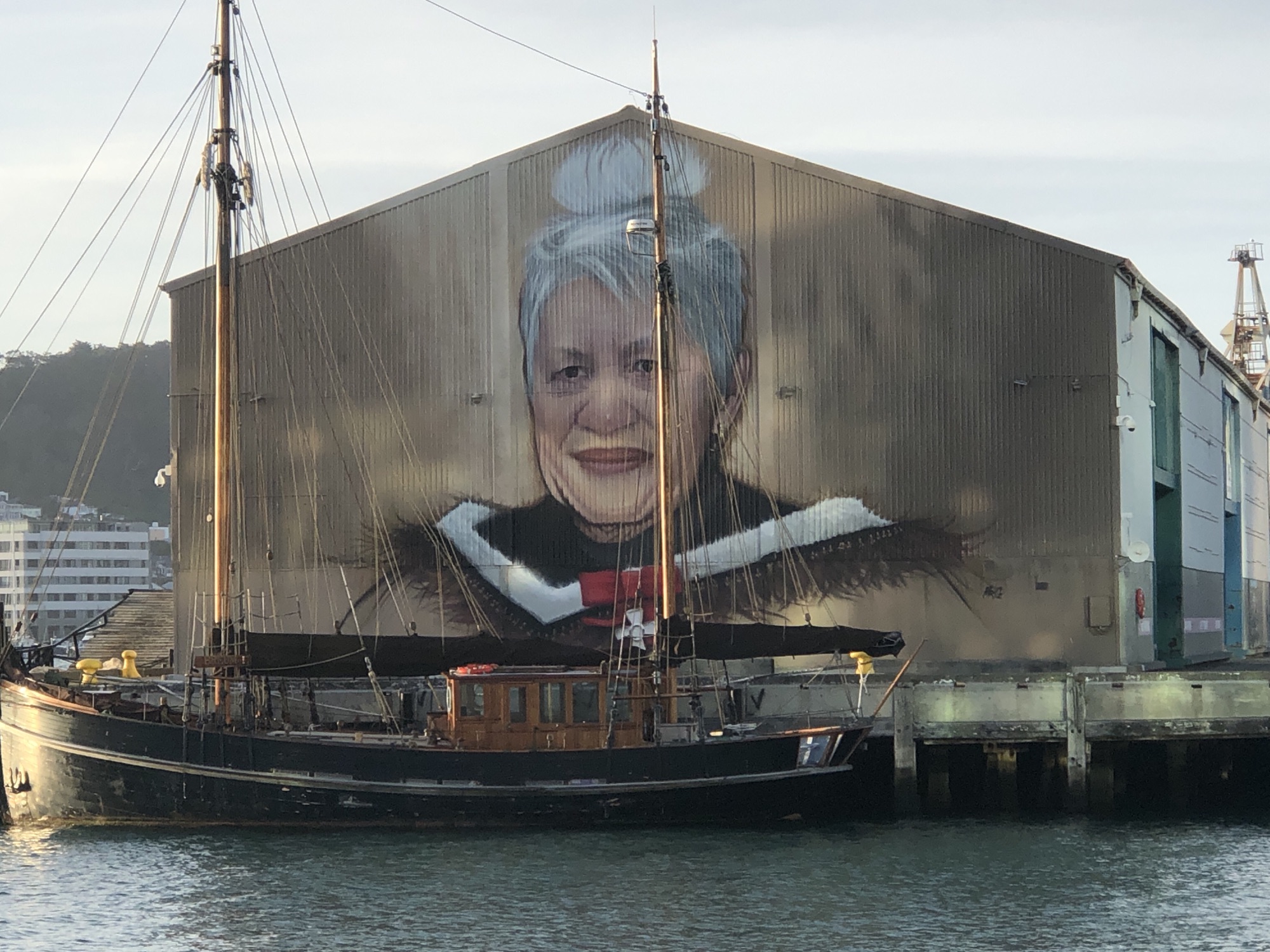
The disappointing start came in the form of a cancelled Parkrun. I’d been so looking forward to doing Parkrun here and my first one outside of Australia, so to learn that it was cancelled due to an event being set up along the course, left me very deflated. Still, not to be discouraged, I headed out anyway to the spot where it would have been run and took myself for a very enjoyable 10km plod along the path beside the harbour. There were lots of other runners about and the sun shone as we all enjoyed a morning run in a super location. I stopped many, many times to take photos and read information boards. One of these told me that I was running past the street where Nancy Wake was born, she of WWII spy fame, known as “the mouse that roared”. So, while I was disappointed to miss Parkrun, I was more than happy with a very enjoyable replacement.



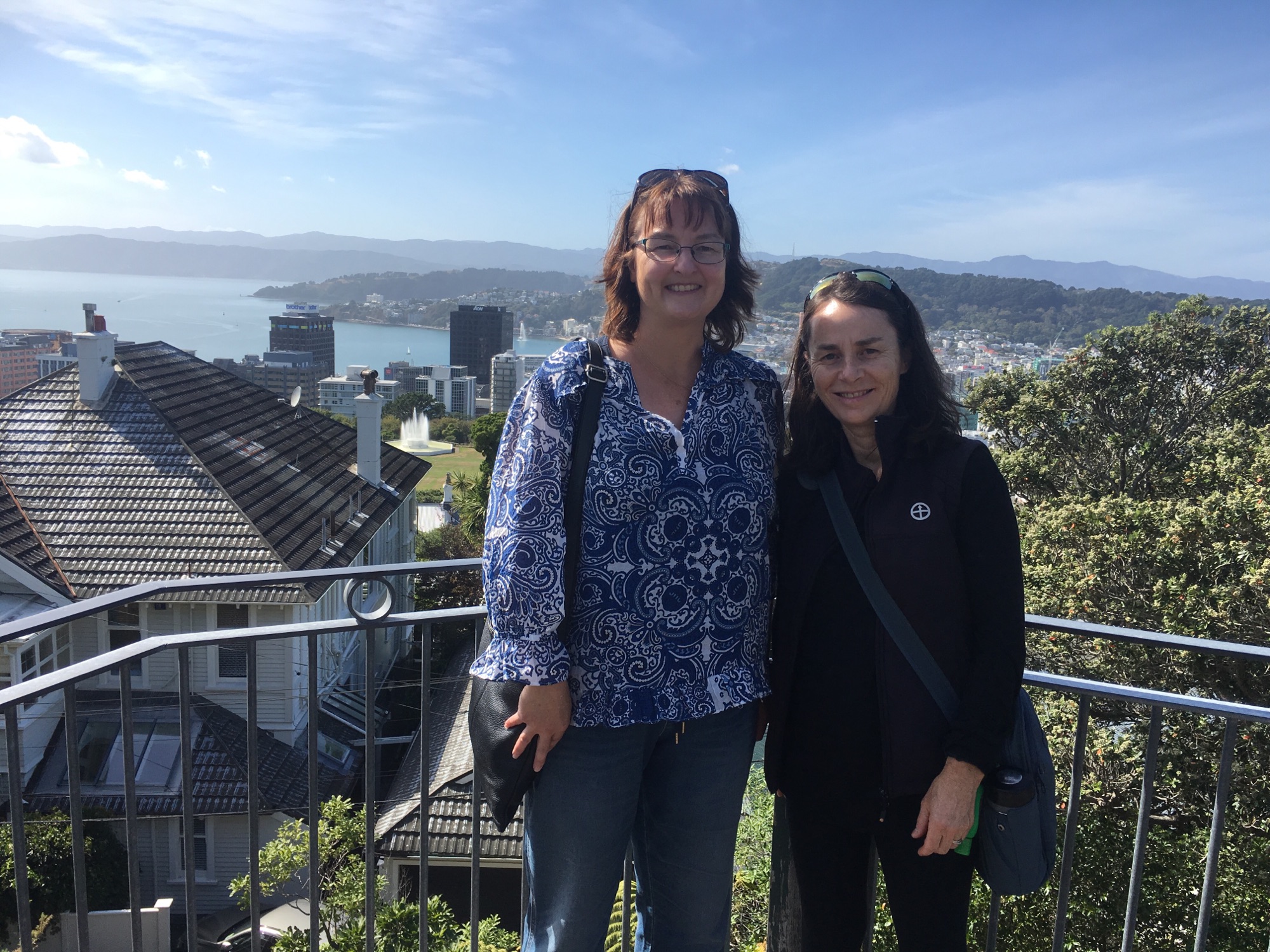
We set off on today’s exploration with a ride up the cable car to the Botanic Gardens. The cable car has been running for 120 years and gives a view out over the city and harbour as it chugs its way up the hill. When we stepped out into the sunshine, we stopped at a viewing area that gave us sweeping views across Wellington. Another couple were beside us and offered to take our photo, asking where we were from. When we told them we were from Tasmania, they asked about our time in NZ and I asked where they were from.
“Oh, a place on the east coast of England called Ipswich,” the man told us.
“Oh yes, I’ve been to Ipswich,” I told them.
“No you haven’t!” the lady said with a laugh of disbelief, so I explained how we’d come to be there on one of our cycling trips.
“Did you like the Norfolk coast?” they asked.
“We liked the flat of the Norfolk coast,” I said, “after the thigh burning of the Jurassic Coast.”
It was a nice chat with a couple of visitors like ourselves and then we set off to roam the gardens.

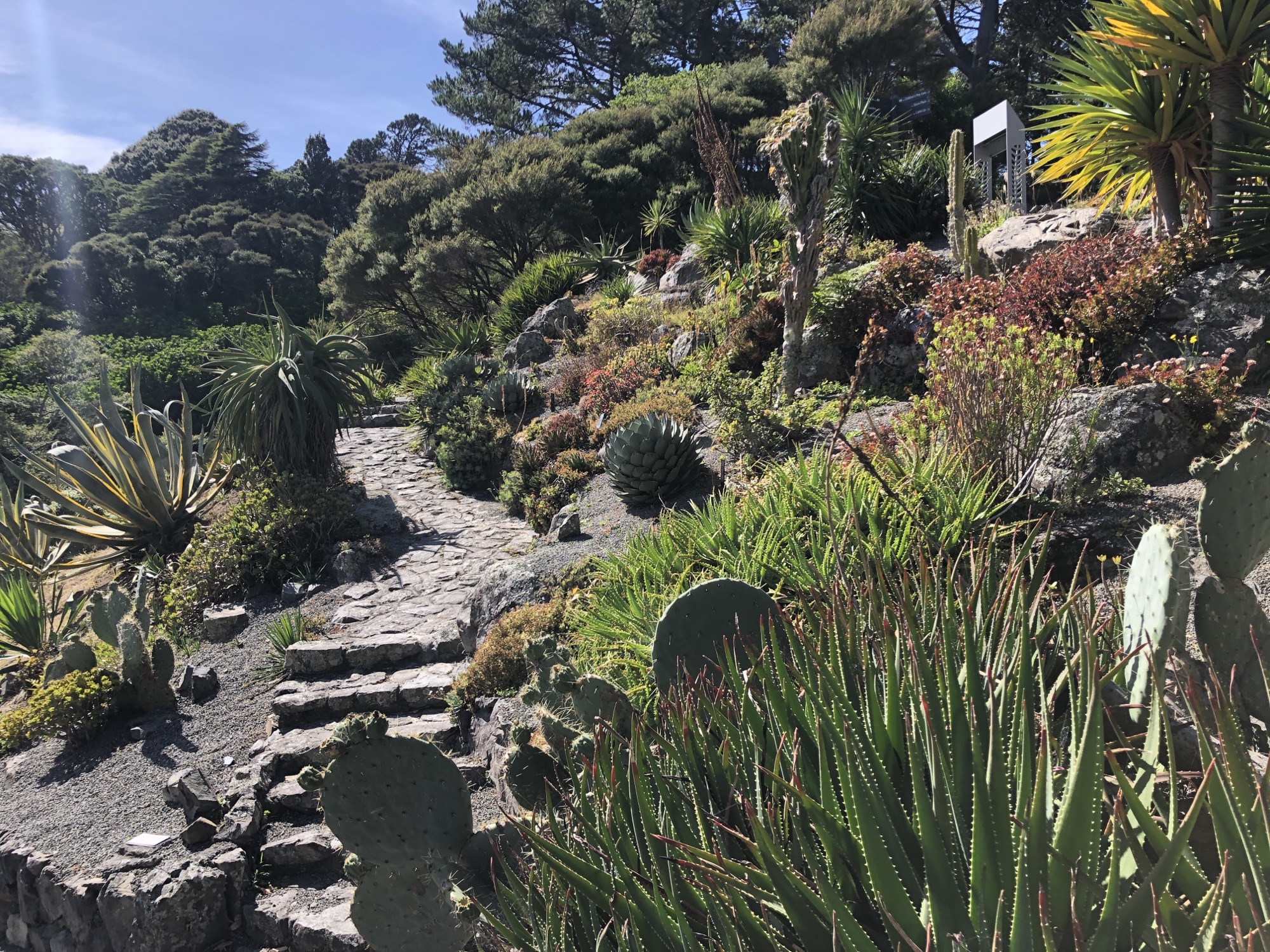
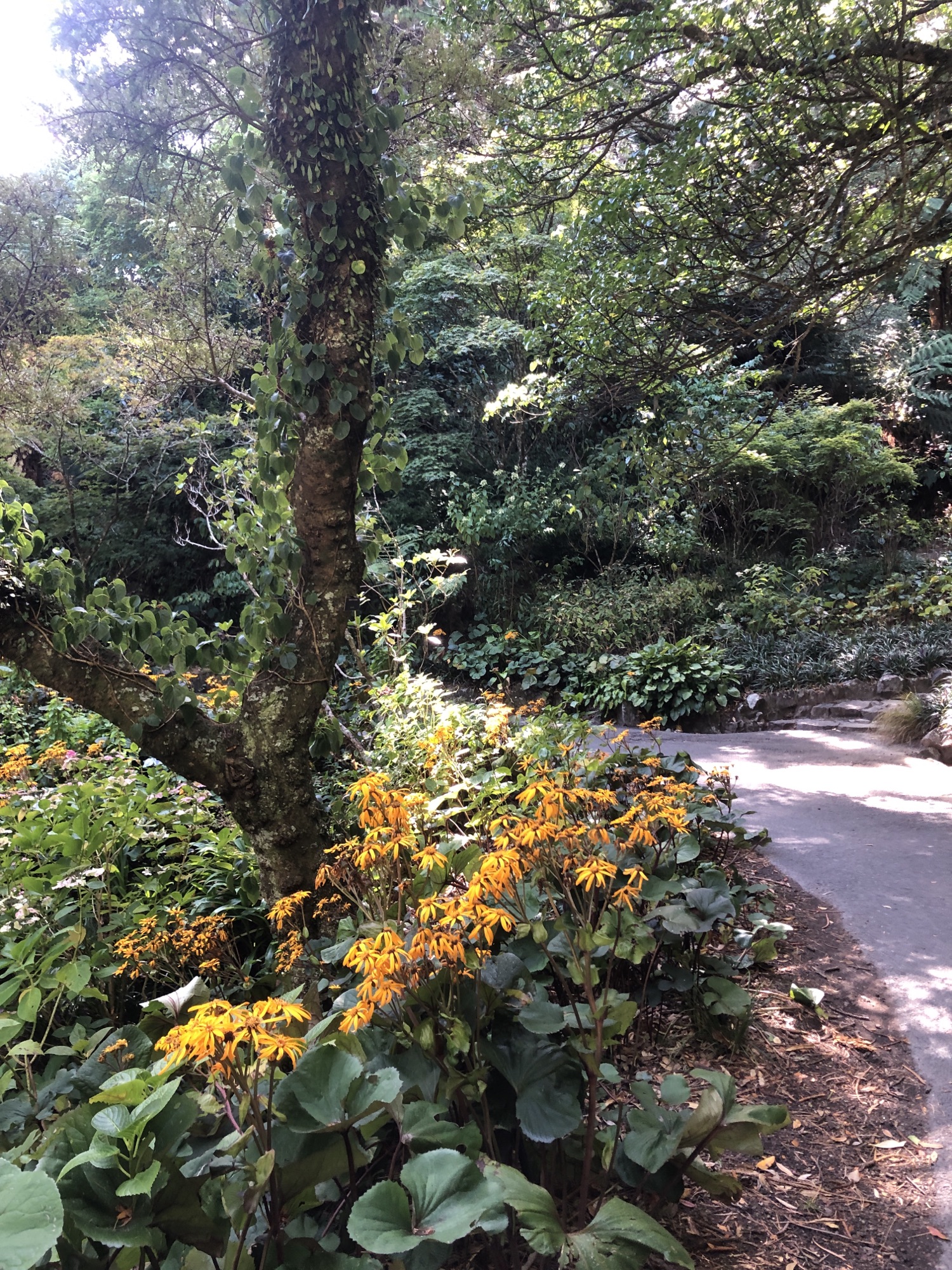
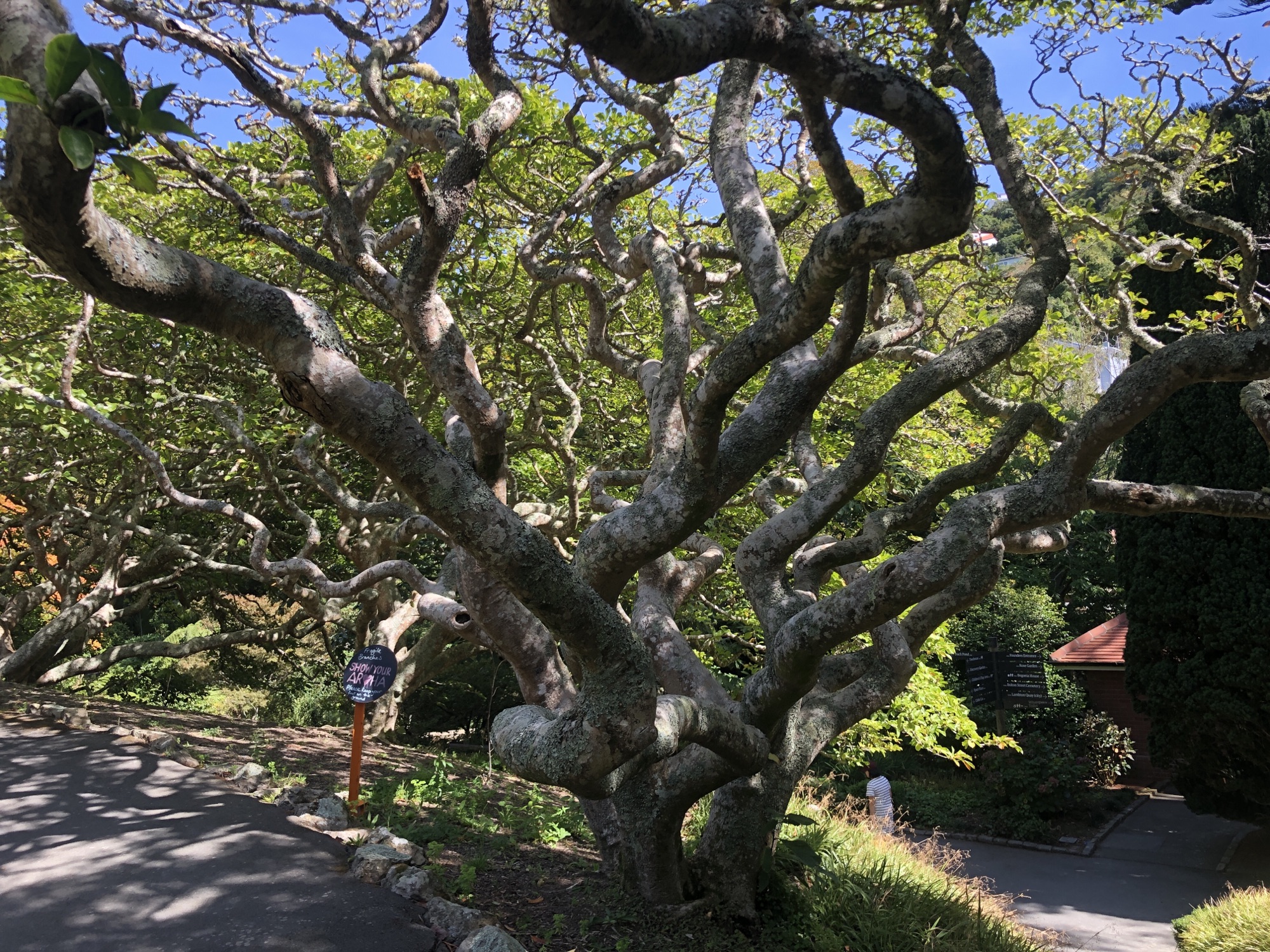
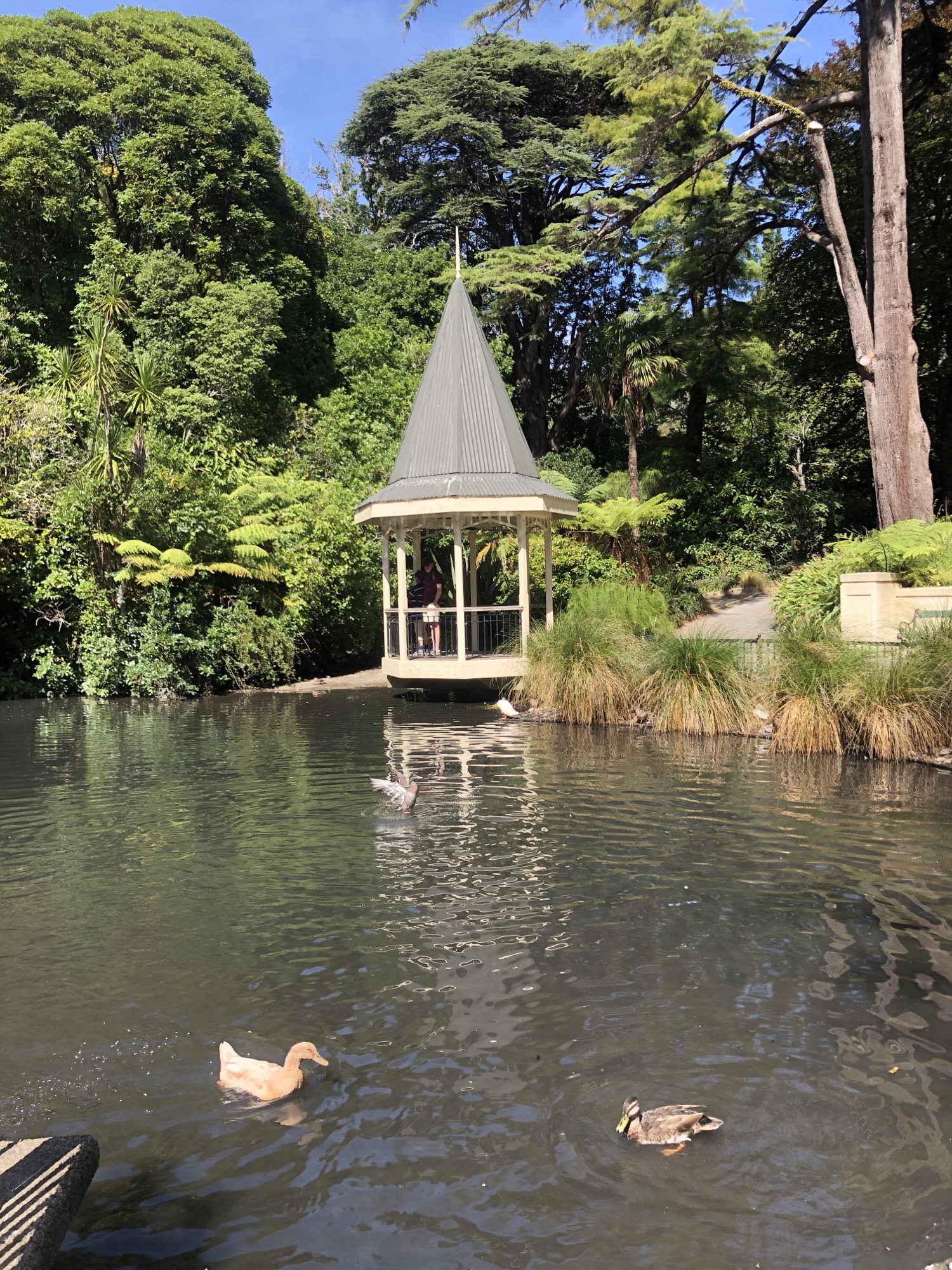
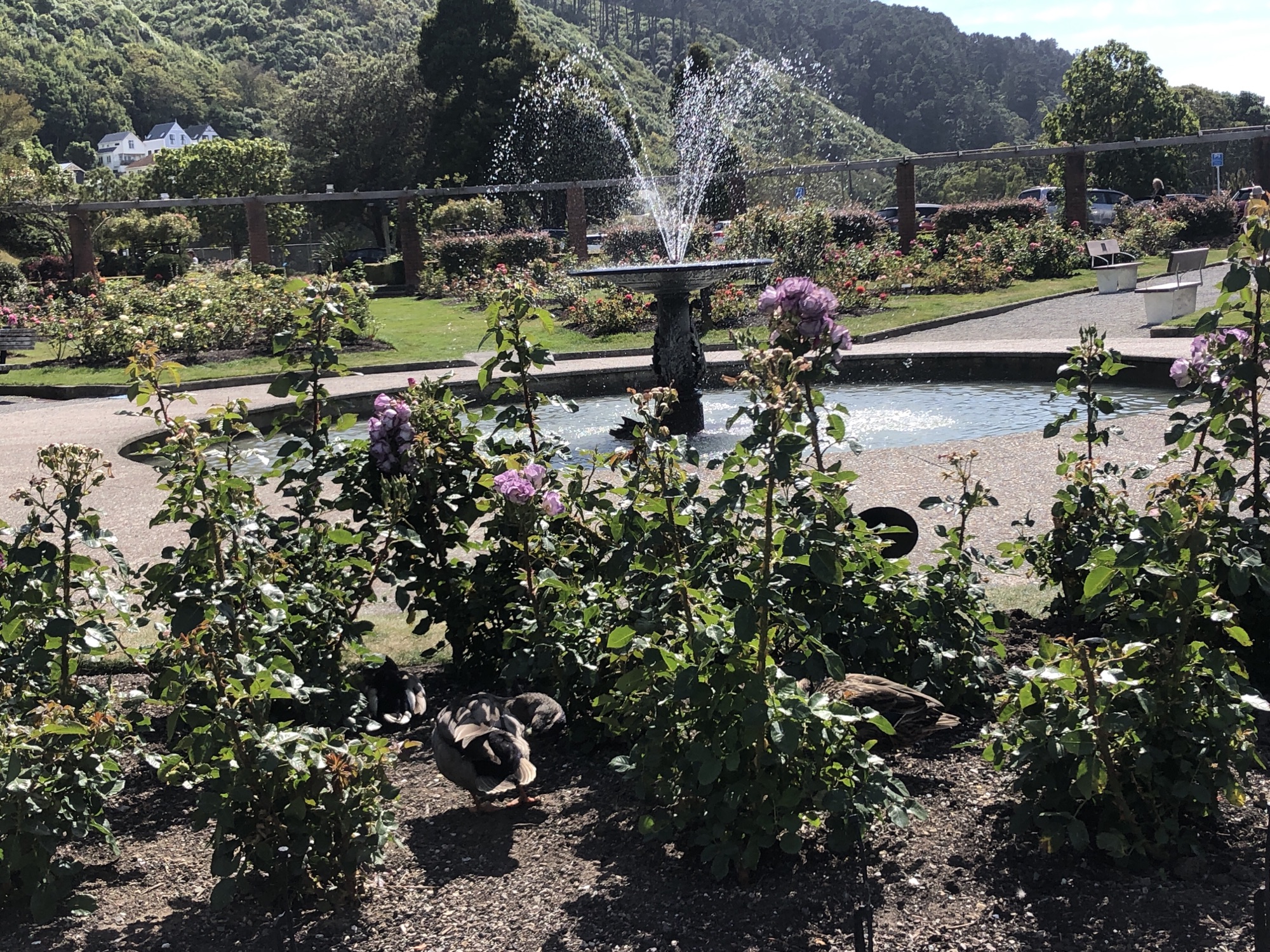
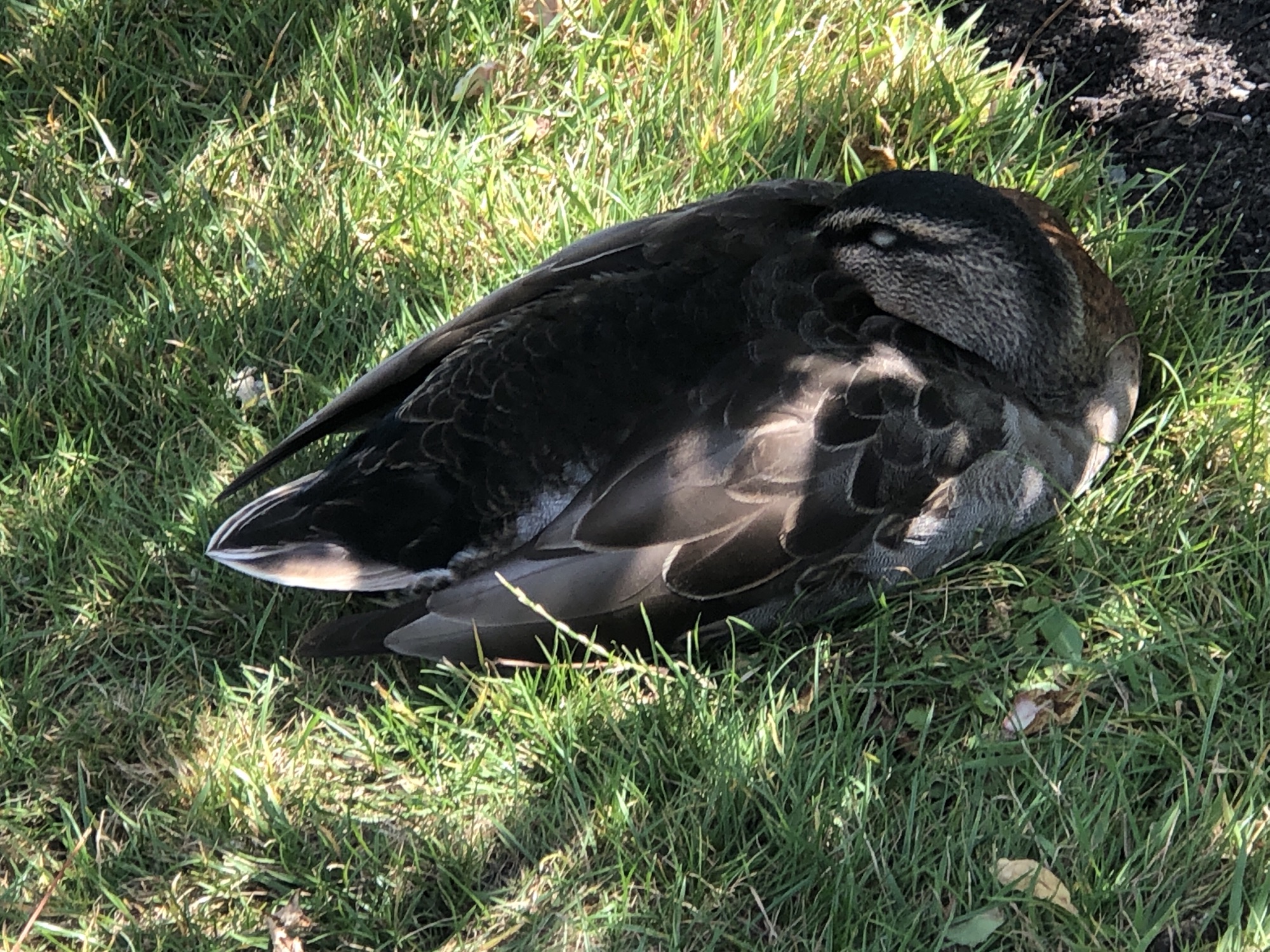
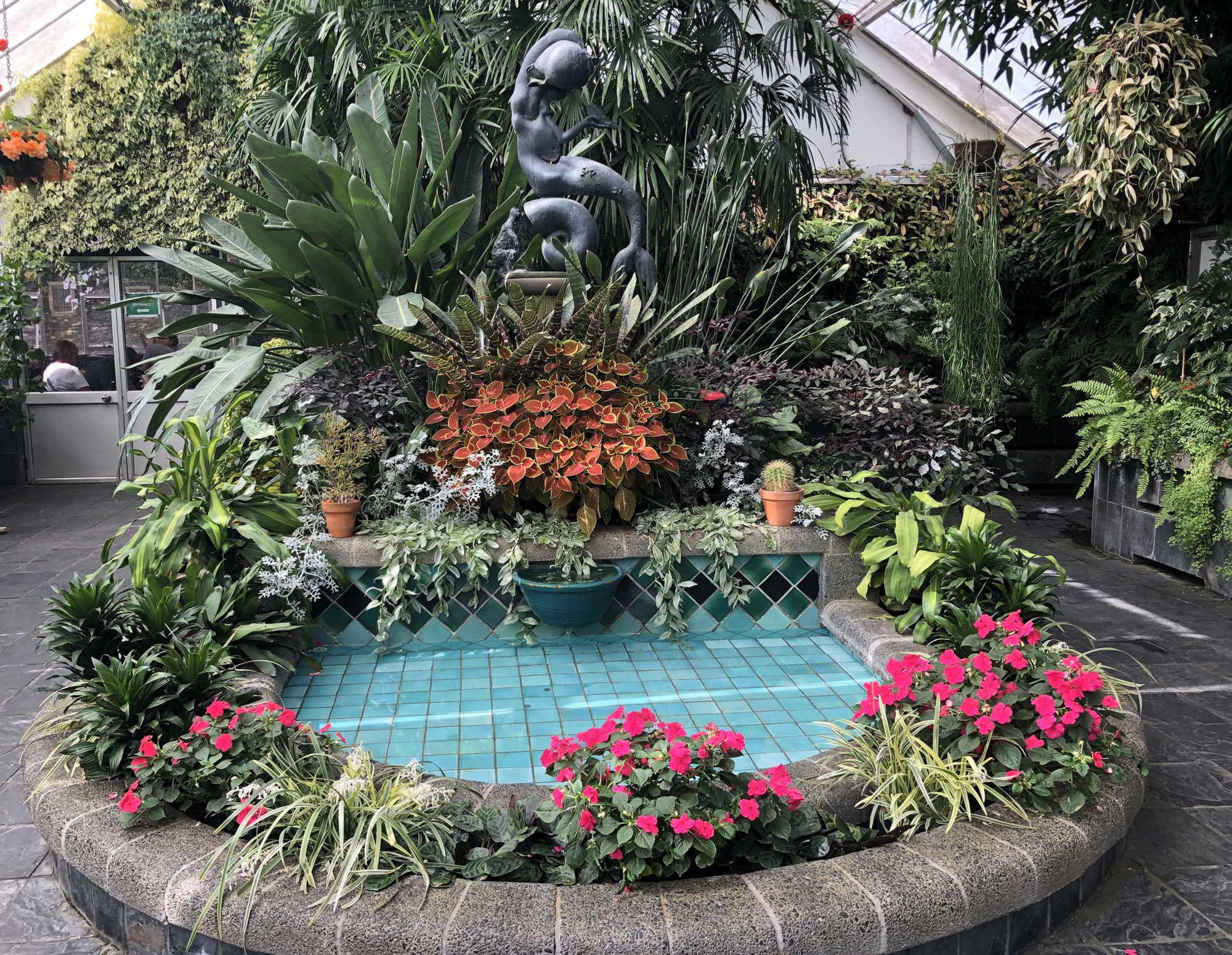
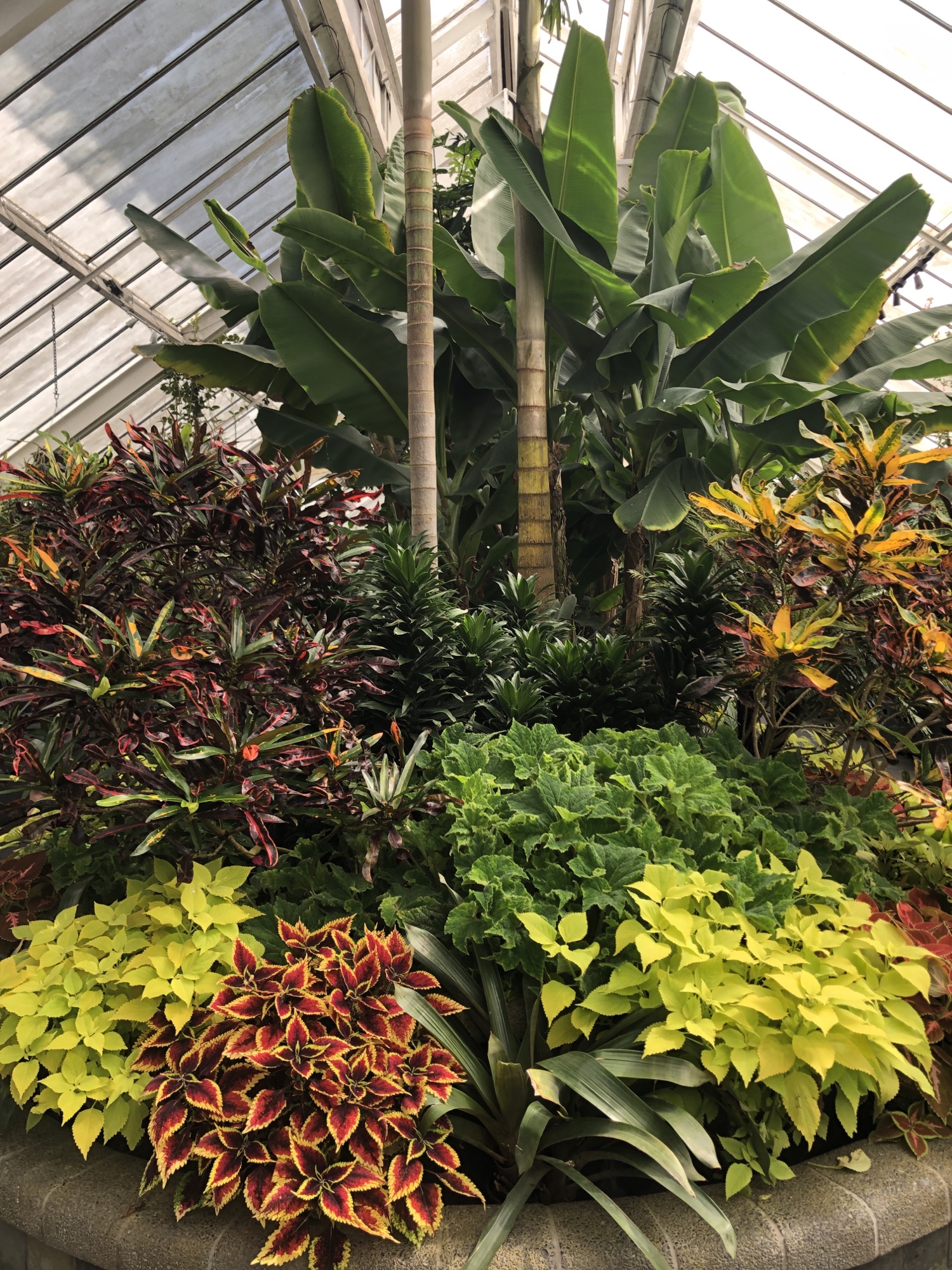
The gardens were an interesting set up, with the gardens being on a hill, so rather than having sprawling grounds like so many city Botanic Gardens, this one was almost on tiers. As we wound our way down a long, steep path, there were different types of gardens along the way. The sun shone, it was hot and calm and we enjoyed our leisurely stroll in the greenery and sunshine. A delightful morning outing.






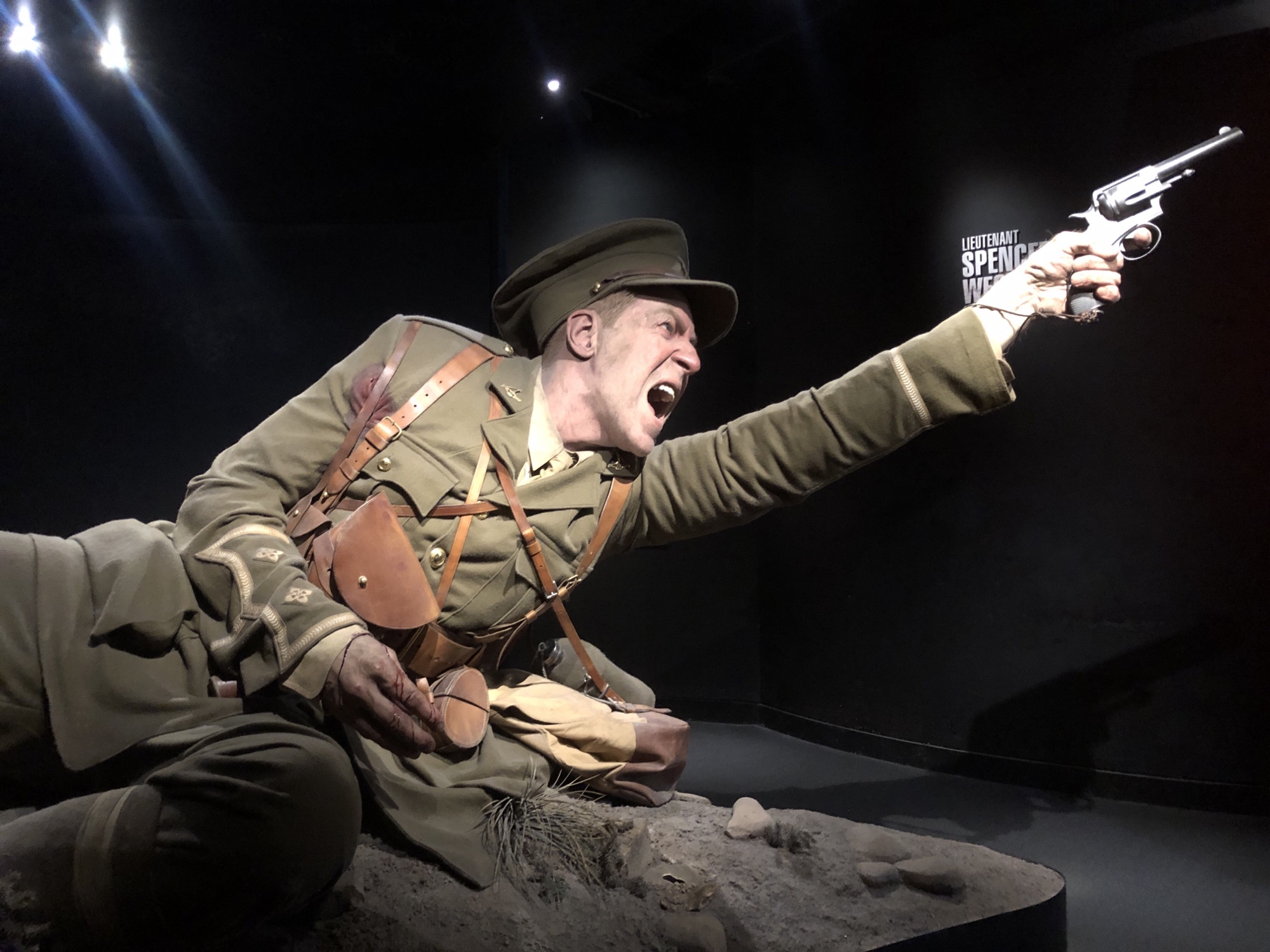
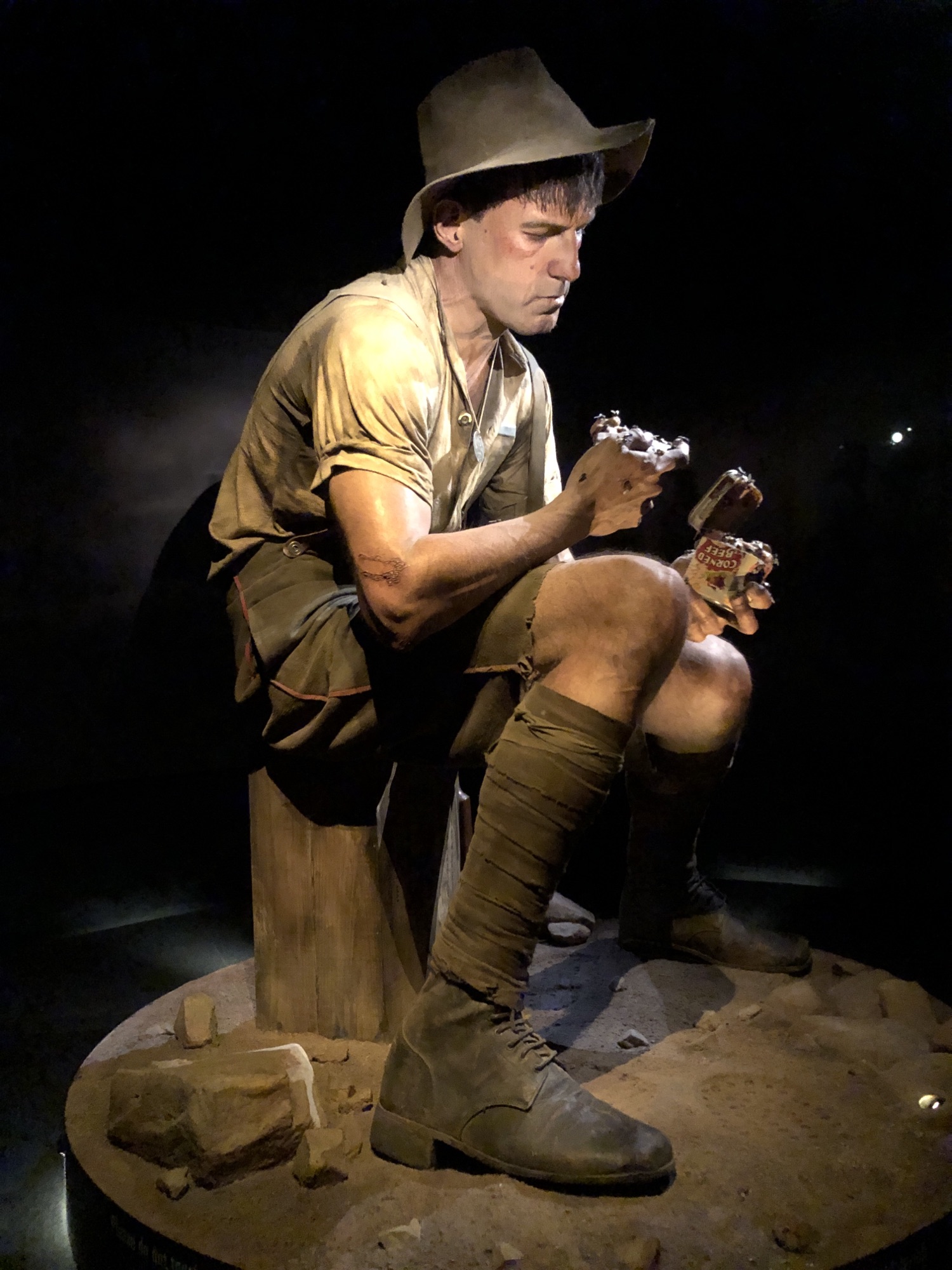
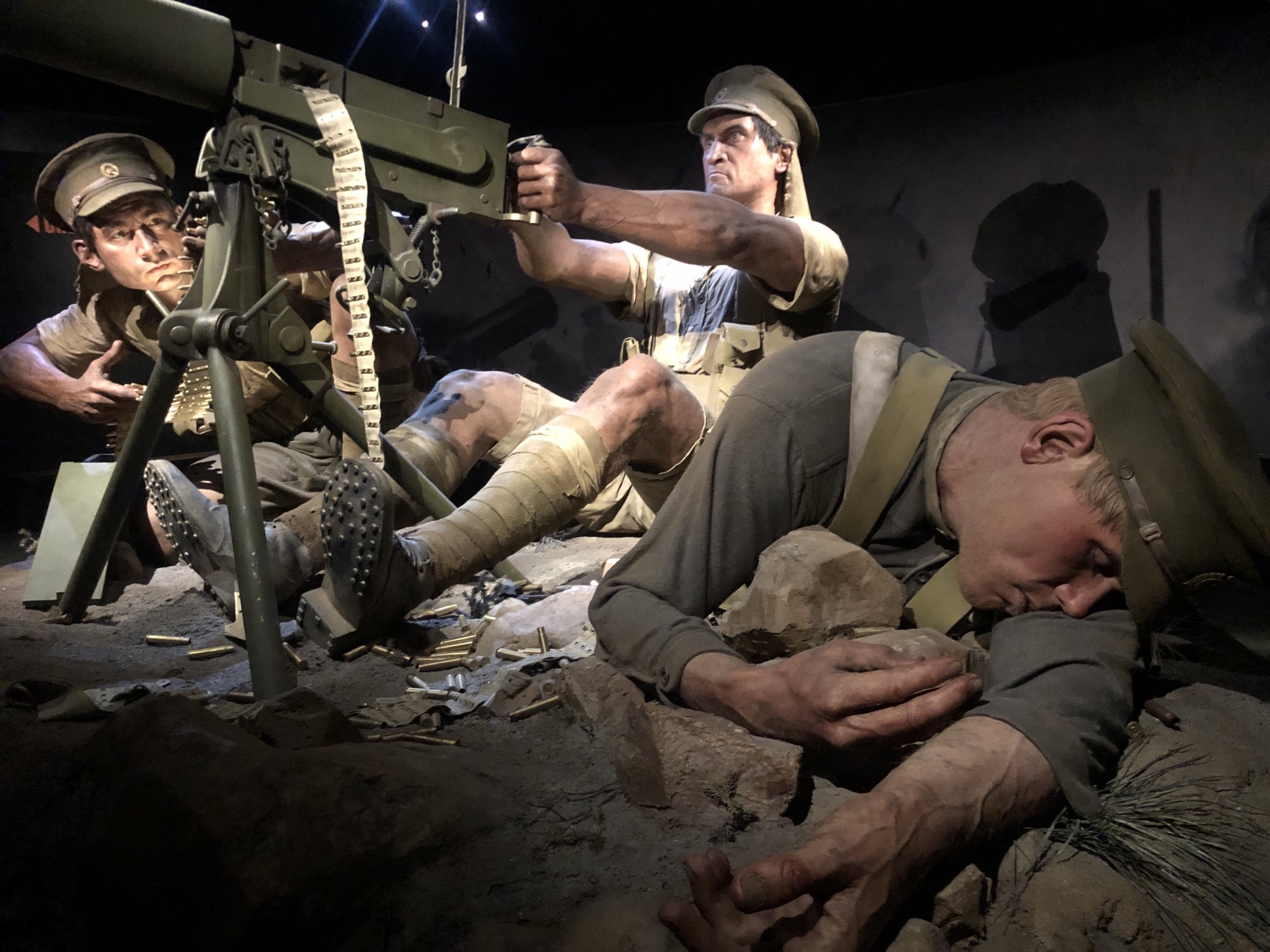
We walked ourselves back to the city, regrouped and then headed off to a couple of exhibitions. Lou went off to a Marvel exhibition with the characters from the movies and comics and costumes from the movies to see and info about the whole Marvel Universe. I left Lou to immerse herself in that, while I went across the road to Te Papa, the museum of New Zealand. I headed straight for the Gallipoli exhibition and from the first room, I knew I was in for an amazing and moving experience. Of all the museums I’ve been to, all the exhibitions, documentaries, films and books I’ve consumed about WWI and the Gallipoli campaign, this was something quite incredible. It included models created by Weta Workshop, that were on a 1:2.4 scale, so they reached up to the ceiling. Even on this scale, the level of detail was incredible, down to the pores on the skin, the wrinkles on the elbows, the muscle definition, veins and even sweat and tears on the people they were depicting. Each model was a real person who had been involved in the Gallipoli campaign, so we learnt their story and as I moved through the information, the exhibits and models, I got really invested in these, and other people described, to then learn of how their Gallipoli experienced ended. Some of the representations of the conflict were incredibly moving and powerful and I spent two hours there and could easily have spent that over again. All I could say afterwards was, “That was amazing!” It wasn’t just the models, it was the varied and innovative ways the story of the Gallipoli campaign and the effects of war was shown. It was the most impactful and moving museum experience I’ve ever had. I needed to just let the experience sit with me for a while afterwards and try and process it, because it really did hit me emotionally. A very unique and incredible exhibition to have experienced and to be shown again the horrors of war. It’s a shame it can’t go on tour and find its way to our War Memorial, especially because it told of the ANZAC experience but from a New Zealand perspective. It’s a shame more can’t experience it.






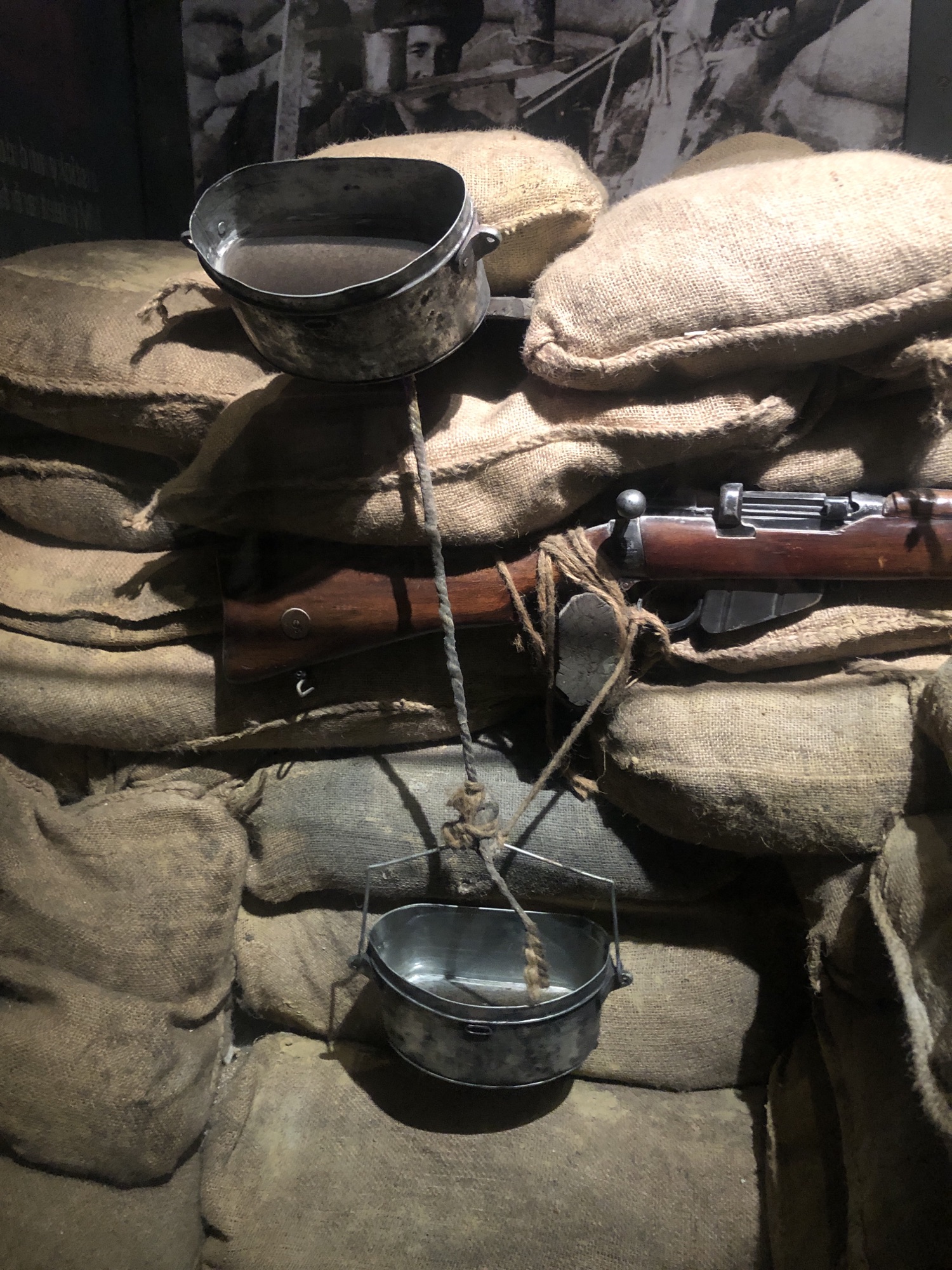


Lou had joined me at Te Papa and we looked around until the doors were closing and we ventured out into the cool of the evening and took ourselves back to our room. Another fab day. It then rounded out with another amazing experience in the form of a boysenberry cheesecake donut from the vegan bakery down the road. It lived up to the anticipation of trying this indulgent treat and it was sensational! While not vegan, Lou opted for a cookies and cream version and declared, “You can’t tell it’s vegan, it tastes just like a regular donut.” So we both gave a “mmmmmmm” of taste bud satisfaction as we savoured every bite.

Today was our last day in Wellington and tomorrow we move on, this time under our own steam, driving ourselves back towards Auckland. We’re not sure where we might end up and what we might see and do along the way, but that’s the fun and adventure of freestyle travel. Take it as it comes, with open mind and open heart and wait and see what comes along. If it continues to give us the experiences we’ve had so far, it’ll be just super dooper! There’s nothing like the element of surprise and we’re looking forward to seeing what NZ unwraps for us!

 Run. Ride. Roam.
Your photos from Te Papa moved me, so can imagine the impact it had on you, being there 😢.
LikeLiked by 1 person
It certainly was moving, like nothing I’ve seen before. As well as the different ways they had to present the information, that was really different, the scale of the models somehow made it even more affecting.
LikeLike
Wow these photos were groovy and very thought provoking. Thanks for posting!
LikeLike
Thanks so much. The exhibition really was incredible and thought provoking are exactly the right words to describe the experience. Glad you enjoyed the post and thanks for commenting!
LikeLiked by 1 person